
Tractor
-
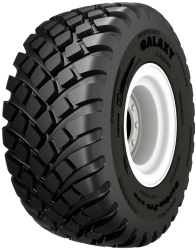 Availability: 6More Info...More InformationAdditional InfoRIM NOT INCLUDEDBearing-Bolt Pattern-Box Quantity-BrandGALAXYCenter Bore in/mm-ConstructionRADIALCountry of Origin-Diameter280Finish-Hub Length-Industry CodeR3Load Index112Load/Speed Index112A8Machine Fitment/Application-Max Load Capacity (Lbs)2470Max PSI35Mounted Diameter (Inch)31.5Pattern/Position-Ply/Load Index/Star Rating112A8Ratio70Rim Diameter16Rim Size16X9Rim Width9Rolling Circumference93.9Section Width11.1Size280/70R-16Speed Rating/Speed (MPH)A8/25Static Loaded Radius (inch)14.3StyleGARDEN PRO XTDSurface / Terrain-Tread Depth (32nds)30/32Tread Width-Tube Type / TubelessTUBELESSTypeTURFValve-Weight (Lbs.)59.290000Wheel Back Spacing in/mm-Wheel Front Spacing in/mm-Wheel Offset in/mm-
We Stock Tractor Mower Tires for Your Make & Model
Tractor mowers, lawn tractors, and riding mowers are all indispensable tools for landscapers, groundskeepers, and other lawn care professionals. Be that as it may, a mower is only as good as its tires.
What to Look for When Buying Tractor Mower Tires
As you search for new tires, you must consider these factors:
Tire Size
Tractor lawn mower tires need to be matched with the machine’s rims or else they won’t hold air, fit inside the wheel well, or even mount in the first place. Check your mower’s specifications to ensure you choose the right size tires.
There are two sizing standards: two-number and three-number. Two-number sizes use two numbers separated by a dash. Take 4.1-6 as an example: It indicates a tire that is 4.1 inches wide and a rim that is six inches in diameter.
Similarly, the three-number system uses three numbers separated by dashes to display tire sizes. Let’s use 15-5.00-6: The first number signifies the uninflated tire diameter, the second is the tire width, and the third is the width of the rim.
Tire Ply
“Ply” can refer to the ply-rating, which is a way to rate the tire’s carrying capacity and puncture resistance. You may see tires with 2-ply, 4-ply, 6-ply, 8-ply, and even higher ratings. In simplest terms, the larger the number, the stronger the tire. Typically, tractor mower tires will fall in the 2 to 8-ply range.
You may have also seen bias-ply and radial-ply tires. These terms refer to how the tire is constructed. Bias-ply tires use diagonal, crisscrossing body plies to form a sturdy, rigid carcass. Radial tires instead use cords laid from bead to bead at 90-degree angles. Each has its advantages and disadvantages.
Bias-Ply Pros:- Less expensive than radials
- Stiff, sturdy sidewalls resist punctures
- Excellent stability at low speed on rough terrain
- Poor traction compared to radials
- Can cause more damage to turf
- Transmits more shocks and vibrations to the mower
- Wears out quicker than radial-ply
- More flexible sidewalls absorb shocks and vibration
- Better contact patch for improved traction
- Longer-lasting than bias-ply
- Causes less harm to turf
- Increased upfront cost
- Thinner sidewalls are more puncture-prone than bias-ply
If you only occasionally use your tractor mower on rough terrain, bias-ply tires will serve you well. In most cases, however, radial tires offer better performance.
Tread Pattern
The type of tread you choose will have a great impact on how you affect the turf during mowing. Tread patterns include the following:
Smooth TreadsWith these, there are no grooves or treads at all. These tires have the worst traction, as a result, but they are the least damaging to turf. Front tractor mower tires are often smooth to allow for tight turns.
Ribbed TreadsThese treads are simple vertical grooves around a tire’s circumference. They are excellent at offering directional stability and t channeling water, making them a great choice for mowing following heavy rain. Turf disturbance is minimal.
Turf TreadsThese are the most common type of tractor mower tires. They are usually made of small chevron-style blocks, offering excellent traction even on wet grass. And though they provide greater grip than smooth or ribbed tires, they are still designed to cause as little damage to the grass and soil as possible.
Knobby/All-Terrain TreadsKnobby and all-terrain tires have deep grooves and massive tread blocks designed to channel dirt, mud, sand, and water. Though they provide the best grip, they will also cause the most disturbance to turf.
Other Tire Considerations
While the above metrics are the most important when choosing your new tractor mower tires, you may also want to consider the following:
Speed RatingThough most lawn tractor tires will be rated NHS (Not for Highway Service), they still come with speed categories. The most common are A8 for 25 mph, B for 30 mph, and D for 40 mph.
RubberThe rubber needs to be hardy enough to give good wear characteristics while also being flexible enough to provide comfort and good traction.
Tube vs. TubelessTube tires use a separate tread portion and an inner tube portion. These are cheaper and make repairs a little easier. Tubeless tires are all-in-one and don’t require an inner tube. Most tires are made tubeless these days, and many rims only accept tubeless tires.
Riding Lawn Mower Tires FAQs
How Do I Know if This Tire Fits My Tractor Mower?
Check your tractor’s specifications. The manufacturer will state what size tires can fit the rims, and may also specify whether they should be tube or tubeless and bias-ply or radial-ply.
Can I Replace Just One Tire or Must I Replace Both?
Most of the time, you should replace both tires. Unless they are essentially new and one gets a serious, unrepairable puncture, replacing only one will likely result in handling issues.
What Is Ply Rating and How Does It Affect Tire Performance?
Ply rating refers to a tire’s overall strength and load handling. The numbers typically range from 2 to 8 for standard tractor mower tires, with higher numbers being stiffer and stronger. While higher ratings mean the tires can withstand greater weight and are more resistant to punctures, they will provide a stiffer ride.
Are These Tires Tubeless or Do They Require Inner Tubes?
When purchasing new tractor mower tires, check the specifications to see if they are tubeless or if they require inner tubes. Tires4That will typically list if a tire is TT (tube type) or TL (tubeless). Tubeless tires do not need a separate inner tube, but they do need to be mounted to rims designed to accept tubeless tires.
How Do I Maintain My Tractor Mower Tires?
To maximize your tires’ lifespan, take good care of them in these ways:
- Inflate them to the proper PSI
- Clean them after mowing to avoid possible punctures from debris
- Don’t store your mower in direct sunlight to limit UV damage
- Prevent contact with harsh chemicals
Even if you buy quality tires, their longevity is directly dependent on how well you maintain them!
Why Buy Tractor Mower Tires From Us?
Shopping at Tires4That gets you access to an unbeatable variety of tires at competitive prices. We’ve been supplying specialty tires to professionals since 1968, and our deep, institutional knowledge makes us an ideal tire supply partner. Contact us if you need help finding the best tractor mower tires for your machine!